
Why Your Broilers Aren’t Gaining Weight: 4 Common Mistakes to Avoid
Introduction
Raising broilers for meat production can be a rewarding endeavour, but when these chickens aren’t gaining weight as expected, it becomes a cause for concern. Weight gain in broilers is crucial for ensuring a profitable yield and high-quality meat. However, several common mistakes can hinder their growth. Identifying and correcting these errors is vital. This blog post highlights four typical mistakes that poultry farmers make and offers solutions to help your broilers reach their full growth potential.
Common Mistake 1: Poor Nutrition
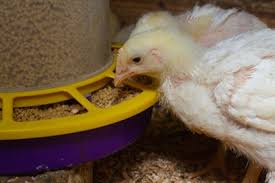
One of the most significant factors affecting the growth of broilers is the nutrition they receive. Ensuring your broilers get the nutrients they need is crucial for healthy weight gain.
Importance of a Balanced Diet
A balanced diet is paramount for broilers to thrive. Just like humans, chickens require a specific balance of proteins, carbohydrates, fats, vitamins, and minerals to ensure they grow healthily and efficiently. Proteins are particularly essential as they contribute to the development of muscle mass, which is crucial for weight gain in broilers. Carbohydrates provide the necessary energy for daily activities and growth, while vitamins and minerals support overall health and immune function.
Feeding broilers a diet lacking in these components can lead to poor growth rates and potentially serious health issues. It’s important to provide a feed that is specifically formulated for broilers, rather than relying on feed designed for laying hens, as the nutritional needs vary significantly between the two. Broilers grow at a much faster rate compared to laying hens, and their diet needs to reflect this rapid growth.
Understanding Feed Composition
When choosing feed for your broilers, it’s essential to understand the composition of the feed you’re providing. Quality premixed feeds usually include a detailed nutritional analysis on the packaging, showing the percentage of protein, fat, fibre, vitamins, and minerals. It is important to ensure that protein levels are adequate, typically around 18-22% for optimal growth in broilers.
Additionally, consider the quality of ingredients used in the feed. Avoid feeds with fillers like excessive by-products, which may not provide the necessary nutrients and can hinder weight gain. Instead, select feeds with high-quality ingredients such as corn or soybean meal, which are known for their high protein content.
Moreover, while grains like corn are high in energy, they should not be the sole component of the diet as they lack sufficient protein. It’s about finding that perfect balance where energy intake doesn’t overshadow the necessity for protein intake, which is crucial for muscle growth.
Using Appropriate Measuring Tools
Providing the right amount of feed is just as crucial as providing the right type of feed. It might seem straightforward, but using an appropriate measuring tool can make a huge difference in ensuring your broilers receive a consistent and adequate diet.
Why focus on accuracy?
– Overfeeding can lead to obesity and health problems.
– Underfeeding can cause slow growth and malnutrition.
Using a standardized measuring cup can help prevent these issues by ensuring that each broiler receives the same consistent amount of feed every day. It helps maintain a balance, preventing broilers from overeating or being deprived of their necessary nutritional intake.
Additionally, regular monitoring of feed consumption can help identify any potential issues. If you observe a sudden decrease in feed intake, it might indicate a health problem or stressor that needs addressing. Proper measurement and monitoring contribute significantly to your broilers’ growth success.
Common Mistake 2: Inadequate Housing Conditions
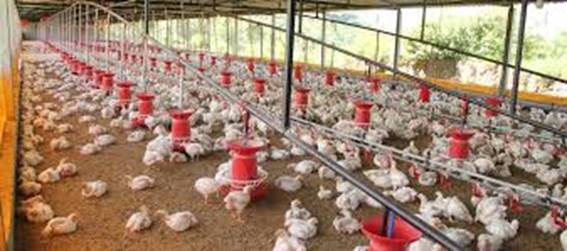
Beyond diet, the environment in which your broilers are housed plays a crucial role in their growth and development. Inadequate housing conditions can significantly hinder weight gain, and in some cases, adversely affect their well-being.
Proper Ventilation and Temperature Control
Ventilation and temperature control are critical components of broiler housing. Chickens are particularly sensitive to changes in temperature and humidity, making a controlled environment imperative for their growth.
– Proper Ventilation: Proper airflow is essential to remove excess moisture from the housing area and ensure broilers are getting fresh air. Stagnant air can lead to respiratory problems and does not support an ideal environment for development. Implementing good ventilation systems helps maintain air quality, reducing ammonia levels which can affect your broilers’ respiratory health.
– Temperature Control: Broilers require a specific temperature range to grow effectively. For young chicks, this typically starts at around 90°F (32°C) and is gradually decreased to approximately 70°F (21°C) as they mature. Temperature extremes, either too hot or too cold, can stress the birds and negatively impact their weight gain. Investing in a reliable thermometer and possibly an automated heating system can help maintain optimal temperature levels.
Space and Cleanliness
Adequate space and cleanliness are foundational requirements for raising healthy broilers. Overcrowding is a common mistake that can lead to stress, bullying, and increased susceptibility to diseases, all of which can impair weight gain.
– Space: Each broiler requires enough space to move freely and grow without hindrance. As a rule of thumb, provide at least 1 square foot per broiler. This will help reduce competition for resources and minimize stress-related behaviours like bullying and fighting, which can occur in cramped conditions.
– Cleanliness: Regular cleaning of the coop is essential to prevent the build-up of waste and pathogens. Dirty environments are breeding grounds for diseases that can negatively affect broilers’ health and growth. Ensuring clean bedding and frequent removal of waste contribute to an overall healthier living space. Not only does this promote their physical health, but it also creates a more comfortable environment conducive to optimal growth.
Reducing Stress Factors
Stress is a significant barrier to weight gain in broilers, and managing various stressors can lead to more consistent growth rates.
Common stress factors include:
– Noise and Predators: Loud noises and the presence of predators can cause panic, leading to stress. It’s important to position the coop in a calm, quiet area and ensure it is predator-proof with secure fencing.
– Human Interaction: Frequent and gentle interaction with broilers can reduce stress and help in better handling them during feeding or health checks. Sudden, rough movements should be avoided near the birds.
– Consistency in Routine: Maintain a consistent daily routine for feeding and water supply. Changes in their daily schedule can lead to anxiety and stress.
Reducing these stressors will not only improve the quality of life for your broilers but will also enhance their ability to gain weight effectively. Creating a harmonious environment by addressing these common mistakes will undoubtedly contribute to the improved growth and welfare of your broilers.
In summary, the weight gain and overall growth of your broilers can be significantly influenced by attention to their nutrition and housing conditions. By ensuring a balanced diet, utilizing proper measuring tools, providing adequate ventilation, space, cleanliness, and reducing stress, you can avoid these common pitfalls. Implementing these corrective measures will aid in fostering a healthy environment for your broilers to thrive.
Common Mistake 3: Water Management
Water is a vital component of a broiler’s diet, and its importance cannot be overstressed. Proper water management is essential to ensure the healthy growth and development of your broilers. Here, we’ll delve into some key aspects of water management that are often overlooked, leading to potential weight gain issues in your broilers.
Ensuring Fresh and Clean Water Supply
One of the most fundamental requirements for raising healthy and fast-growing broilers is providing a consistent supply of fresh and clean water. Chickens need access to water at all times, as it helps regulate their body temperature, aid digestion, and transport nutrients. When broilers do not have enough clean water, they can become dehydrated, stressed, and unable to consume enough feed to gain weight adequately.
To ensure your broilers always have fresh water:
– Clean Waterers Regularly: Waterers should be cleaned daily to prevent the build-up of bacteria, algae, and other contaminants. Use brushes and disinfectants that are safe for poultry to scrub away any residues.
– Check for Stagnation: Water should not be left to sit for extended periods, especially in hot weather, as stagnant water becomes a breeding ground for harmful microbes.
– Temperature Control: During the summer months, water should be cool to the touch, while in winter, it should not be freezing. Consider using heated waterers in cold climates to prevent ice formation.
Monitoring Consumption Patterns
Monitoring the water consumption patterns of your broilers is necessary to detect any underlying issues that could affect their growth. Unexpected changes in water intake can be an early indicator of problems related to feed, health, or environmental stress.
– Daily Monitoring: Keep track of how much water your broilers are consuming each day compared to their typical intake. Significant changes should be investigated to rule out health issues or environmental stress factors.
– Correlation with Feed: Generally, broilers will drink more water when they eat more feed. If you notice a decrease in water consumption, it could be indicative of reduced feed intake, which would affect weight gain.
Identifying and Fixing Common Watering Errors
Several common mistakes in watering systems can impede your broilers’ access to fresh water, thus affecting their growth. Here are some regular errors to look out for:
– Inadequate Waterers: Ensure there are enough watering stations for all the birds so that even the least dominant ones have access. Crowding can prevent some birds from accessing water when they need it.
– Obstructed Water Lines: If your watering system relies on pipelines, check regularly for blockages or leaks. A blocked line could mean some of your broilers are not getting enough water.
– Improper Height: The water dispensers or nipples should be positioned at a height that is comfortable for your broilers. If they are too high or too low, birds might not reach them properly, leading to reduced water intake.
Common Mistake 4: Ignoring Health and Hygiene
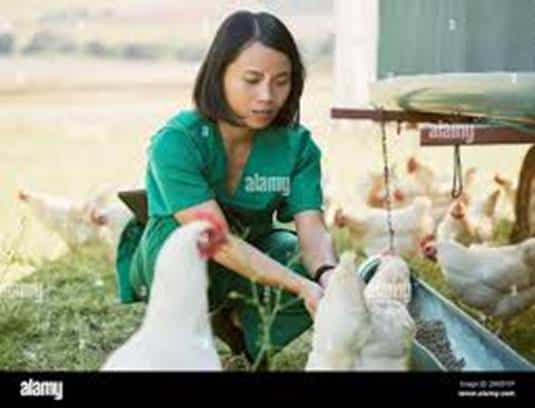
For broilers to gain weight effectively, maintaining their health and environment is crucial. Poor health and hygiene practices can lead to disease outbreaks, increased mortality rates, and reduced growth rates. Below are key health and hygiene practices that are often neglected.
Recognizing Early Signs of Illness
Early detection of illness is critical in preventing the spread of disease and minimizing its impact on the flock’s overall health and productivity. Chickens often display subtle signs of illness that can escalate quickly if not addressed.
– Behaviour Changes: Sick birds are often lethargic, less active, and might isolate themselves from the flock. They may also eat and drink less, which will directly affect their growth.
– Physical Symptoms: Look out for symptoms such as coughing, sneezing, nasal discharge, or labored breathing, which can indicate respiratory infections. Also, examine feathers and droppings for signs of internal or external parasites.
– Weight Loss or Poor Feather Quality: Rapid changes in weight or poor feather condition can be indicators of underlying health issues such as parasites, infections, or nutritional deficiencies.
Implementing Regular Health Checks
Regular health checks are an integral part of maintaining a healthy broiler operation. Scheduled health assessments help catch potential issues early and keep overall morbidity and mortality rates low.
– Routine Physical Exams: Conduct regular physical examinations, at least on a weekly basis, to inspect for any signs of illness, injury, or stress. Pay particular attention during stressful periods such as weather changes or when introducing new birds.
– Weight Monitoring: Weigh a representative sample of your flock regularly to ensure they are gaining weight as expected. Any deviation from the normal growth curve should prompt investigation.
– Veterinary Consultations: Schedule periodic visits from a veterinarian to conduct more thorough health assessments and advise on vaccination schedules or necessary interventions.
Importance of Vaccinations and Biosecurity
Vaccinations and biosecurity measures are crucial components in preventing diseases that can severely impact broiler weight gain. Without proper vaccinations and protective measures against disease, your flock could suffer significant health challenges.
– Vaccination Programs: Develop a comprehensive vaccination schedule tailored to the specific needs of your broilers, considering prevalent diseases in your area. Vaccination against common diseases such as Newcastle disease and infectious bronchitis can be vital for your flock’s health.
– Biosecurity Protocols: Implement strict biosecurity measures to prevent disease introduction. This includes limiting access to the coop from outsiders, maintaining clean facilities, and proper sanitation of equipment.
– Quarantine New Arrivals: Always quarantine new birds for a minimum of two weeks to monitor for signs of illness before introducing them to the existing flock. This helps prevent the spread of diseases to healthy birds.
By addressing these common mistakes in water management and health and hygiene practices, you will create a healthier and more conducive environment for your broilers, encouraging optimal weight gain and overall productivity. Adopting these practices not only boosts your broilers’ growth rates but also enhances the welfare of your flock, leading to a more successful poultry operation.
Conclusion
In summary, ensuring that your broilers gain healthy weight involves avoiding some common pitfalls. By providing a balanced diet with appropriate nutrients, minimizing heat stress through proper ventilation, preventing bullying by creating a harmonious environment, and avoiding overfeeding with treats, you can significantly enhance their growth. Regular monitoring and adjustments, based on your observations, can lead to thriving and healthy broilers. Giving attention to these areas not only benefits your birds but also enhances your overall poultry-keeping experience.